Echoes of the past

This is the second essay in a series of five on the topic of systemic sensemaking. Concepts are developed sequentially throughout, and as such, I recommend reading the essays in order. Navigate to: Part 1; Part 3; Part 4.
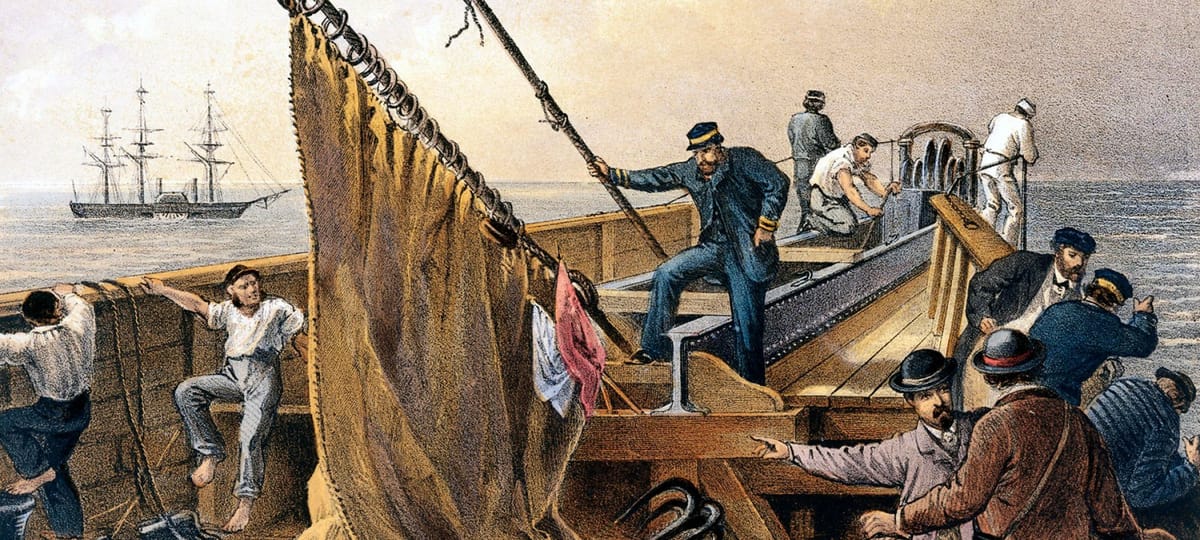
In May 1844, Samuel Morse sent the first telegraph message from Washington to Baltimore: "What hath God wrought?" The 40-mile copper wire carried these words at the speed of electricity, collapsing distance in ways that seemed to violate natural law. Newspapers called it "the annihilation of space." Within decades, submarine cables crossed oceans, creating the first global electronic network. Messages that once took weeks to traverse the Atlantic now arrived in minutes.
Today, a software engineer in Sydney collaborates in real-time with colleagues in San Francisco, São Paulo, and Singapore. Their code deploys instantly to servers spanning continents. A British blogger shares videos of his adventures in China to a global following. Covert groups spread misinformation to influence politics and destabilise governments. Autonomous robots whizz around Amazon warehouses, coordinating through wireless networks invisible to the human eye.
The telegraph and the internet. Copper wires and fibre optics. Both represent moments when humanity fundamentally reorganised its relationship with distance, time, and the transfer of information. Yet we respond with a mixture of exhilaration and anxiety, as we scramble to adapt social structures to new realities. The question of what it truly means to be human in revolutionary times echo across generations with predictable similarity.
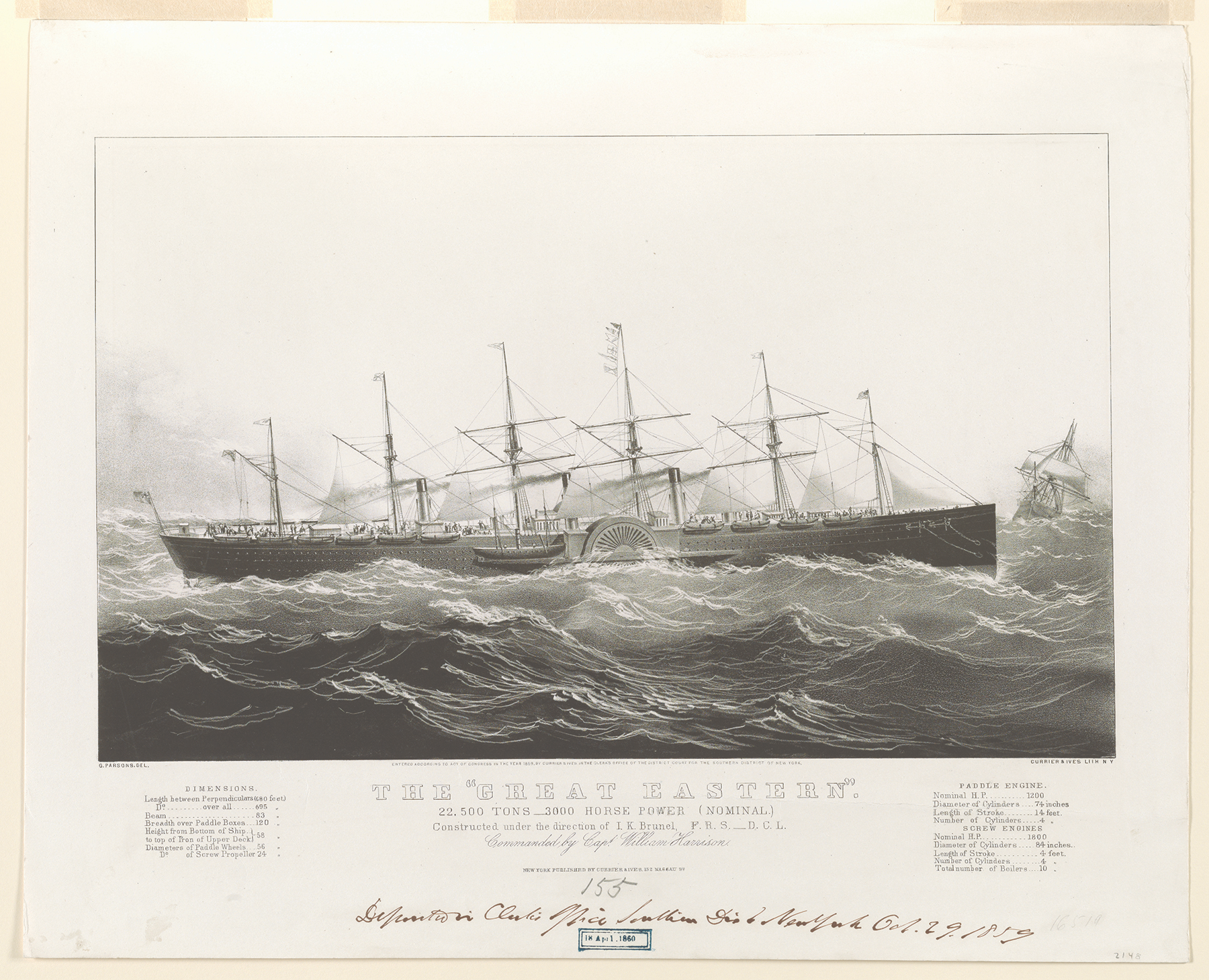
As you read this essay, I invite you to think of history not as linear progression but as recurring spirals, where we revisit core themes at different levels of complexity and collective understanding. The principle holds true across generations: without understanding our history, our future remains a mystery. We risk repeating the same patterns until we learn from the past. This is why reconnecting with our roots matters. Studying our ancestors and bringing conscious awareness to the forces that shaped their lives helps us recognise similar dynamics in our own time.
The evolution of power
The First Industrial Revolution was a time of huge upheaval and influenced almost every aspect of life. This was the emergence of the current capitalist economy, a movement established around 1760 on the shores of the British Isles, which would go on to shape the world we inhabit today. Not only did the technological innovations of this time reshape our means of production, but it fundamentally transformed the very nature of human experience.
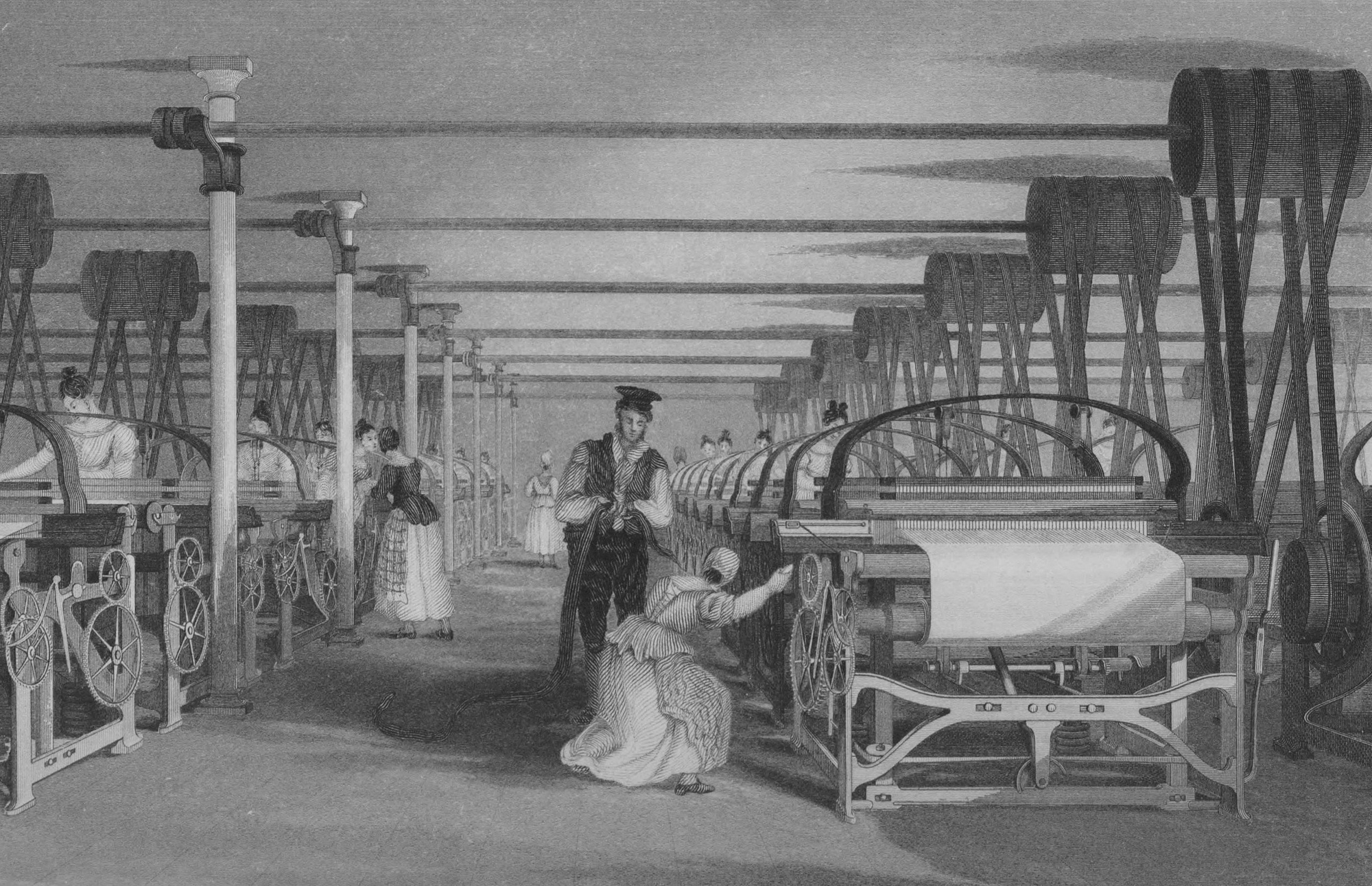
When textile workers became machine operators, they didn't just change jobs, they changed their relationship with time (now measured in factory bells rather than seasonal rhythms), with community (from villages to urban neighbourhoods), and with identity (from craftsperson to wage labourer). A radical reorganisation of society occurred, which some might argue was for the better, while others may argue was for the worse.
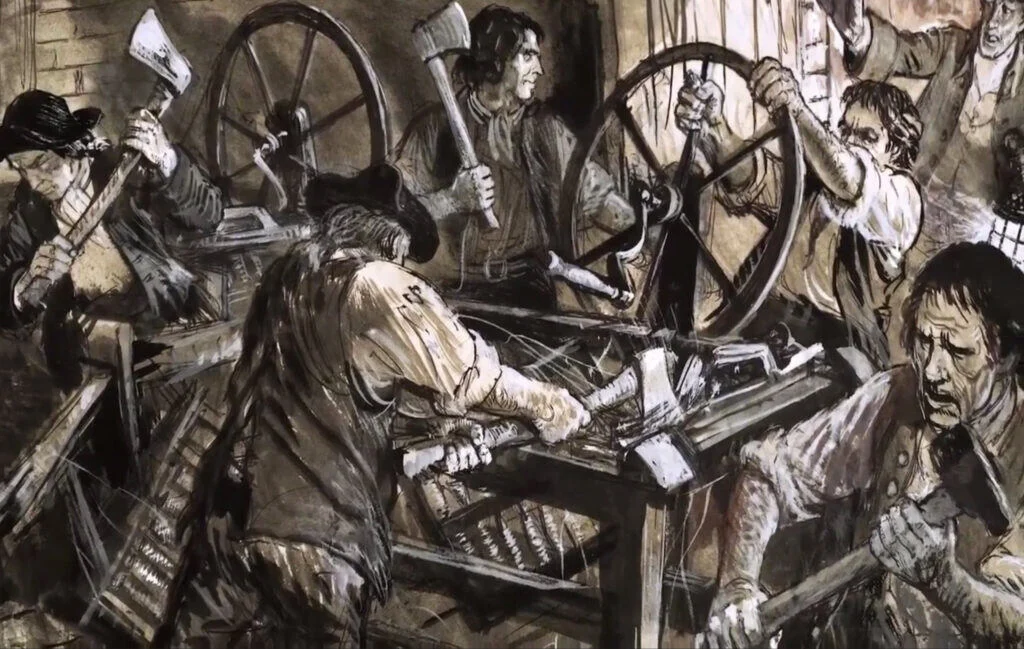
The Luddites, often dismissed as simple technophobes, were outspoken critics of industrialisation and at times went to extremes to protect individual autonomy.
"[the Luddites]...were gifted artisans resisting a capitalist takeover of the production process that would irreparably harm their communities, weaken their collective bargaining power, and reduce skilled workers to replaceable drones as mechanised as the machines themselves. Their struggle has been tragically warped into a caricature when it is more relevant than ever." – Current Affairs
Just as they were asking generation defining questions at their time, we should be asking similar questions as we introduce AI into our social structures:
Who benefits from technological disruption?
What values are being embedded in new systems?
How do we preserve human dignity amidst disruption?
Like the textile workers of Manchester, the retail employees and knowledge workers of today watch as algorithms reshape their livelihoods. But unlike their predecessors, they navigate not just physical displacement but algorithmic management, surveillance capitalism, and the gig economy's dissolution of traditional employment structures. The questions the Luddites asked remain vital, even as the context has transformed beyond their imagining.
The Second Industrial Revolution (also known as the Technological Revolution) commenced a century later, around 1870. Industrial innovations laid the groundwork of much the infrastructure we benefit from today – including the rail networks, sewage systems, and power grids. Additionally, age defining technologies were developed including: the internal combustion engine, petroleum, chemicals, electricity and communication technologies, such as the telegraph, telephone, and radio.
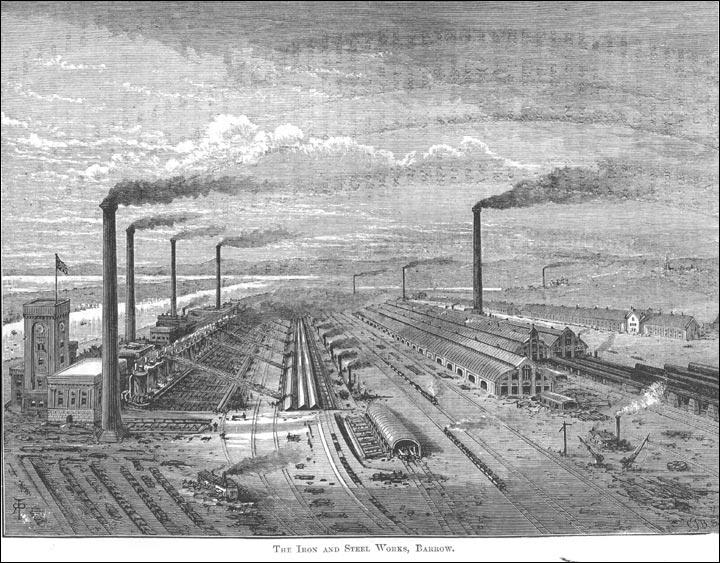
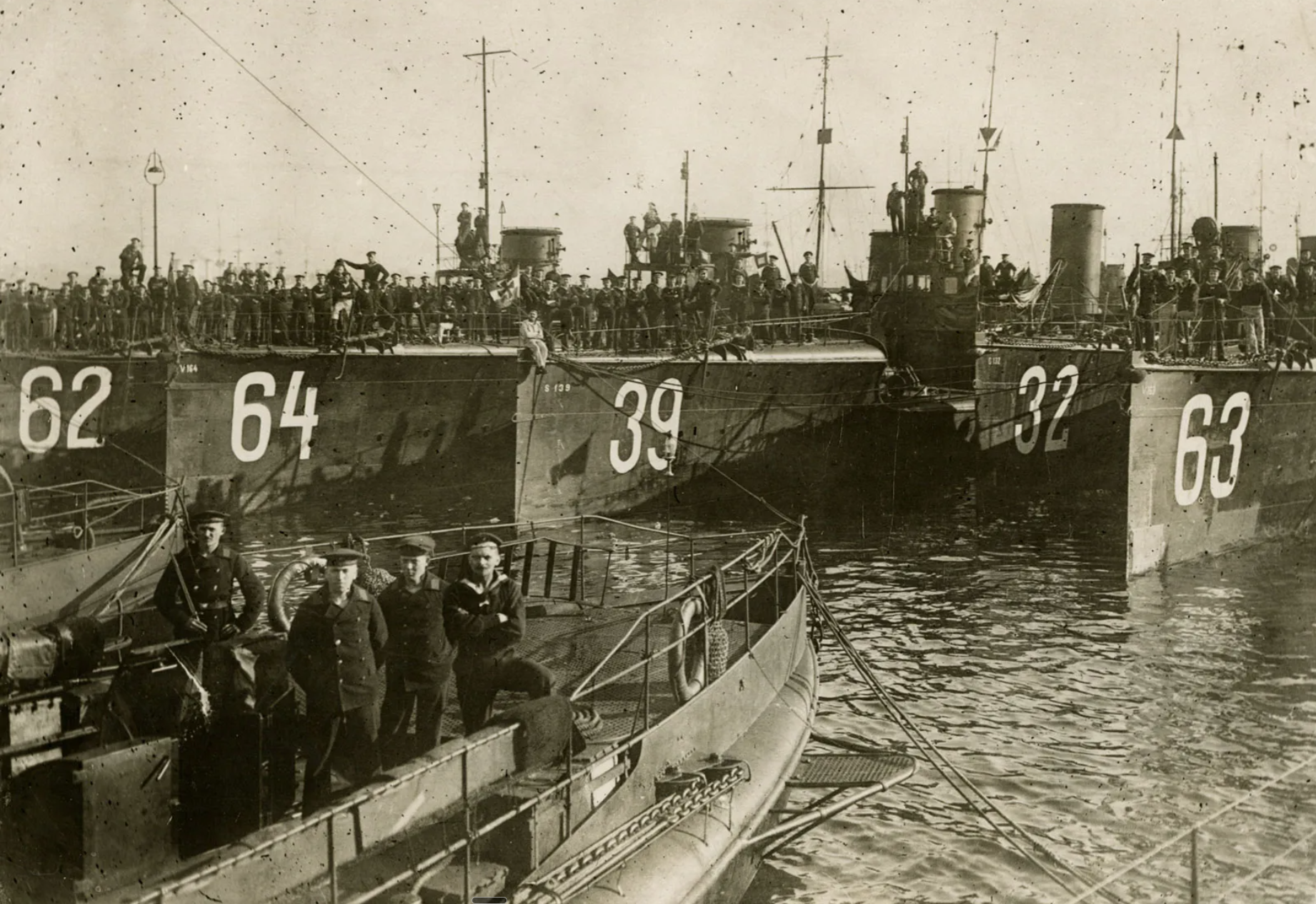
This age demonstrated how infrastructure can shape our individual and collective experiences. When electricity replaced steam power, factories could reorganise. Small motors could now power individual machines. This technical shift enabled social transformation: smaller workshops, distributed production, new forms of collaboration. Within cities, newly established sewage systems improved sanitary conditions and greatly reduced the spread of infectious diseases. However, the newly acquired industrial might meant that weapons of war could now be manufactured at scales previously unimaginable.
The Third Industrial Revolution (also known as the Information Age) began in the mid-20th century, and there is ongoing debate as to whether this age has officially ended with the advent of AI. The onset of the Information Age was linked to the development of the transistor in 1947 and was characterised by a rapid shift from traditional industries (established during the previous age) to an economy centred on information technology.
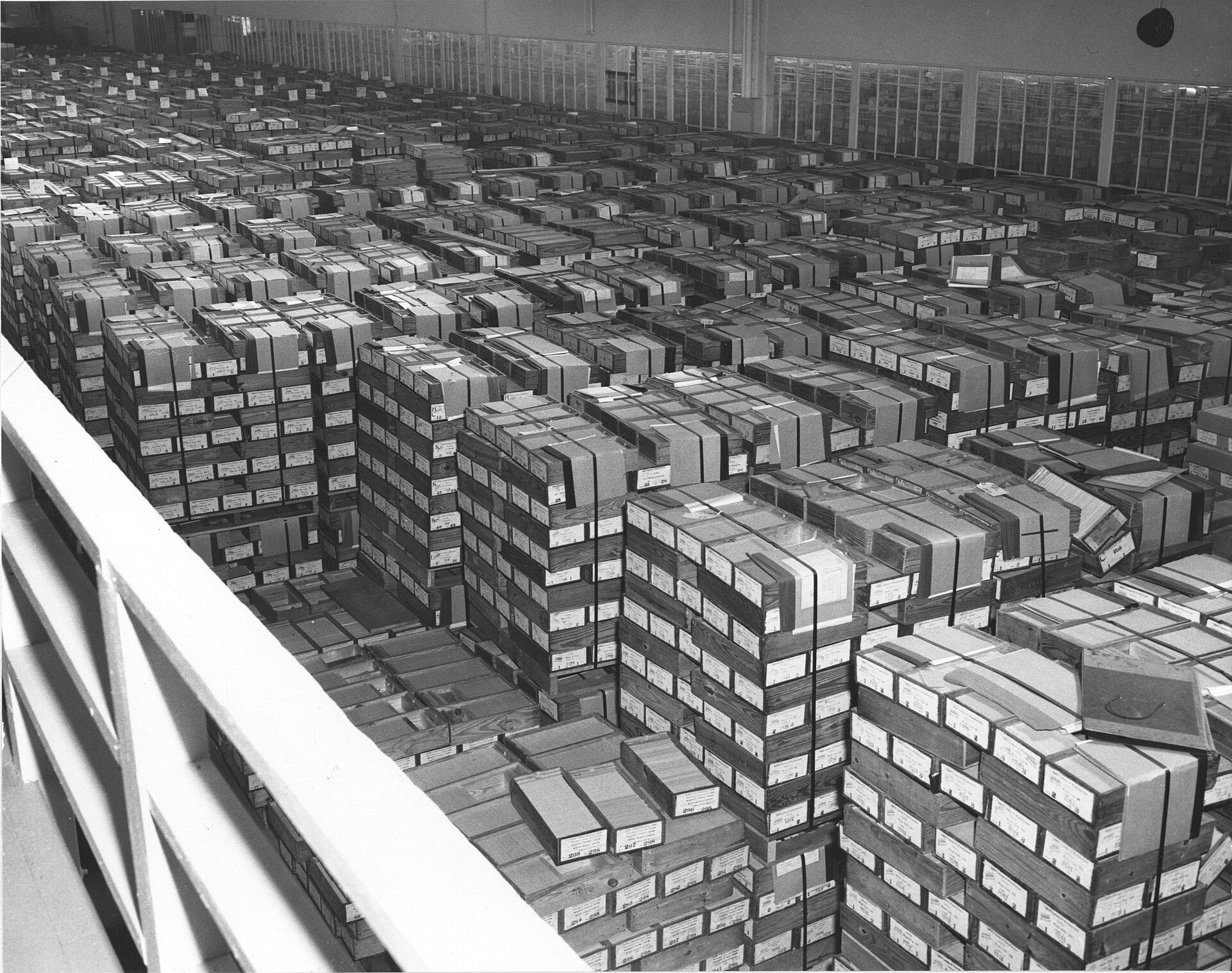
Early computers used punched tape to store information on long strips of paper, quickly superseded by hard disks storing information magnetically. This led to information management systems, computer applications, personal computing, and today's digital economy. As our society moved from physical to digital experiences, a new resource emerged as valuable: human attention itself. An attention economy has formed that doesn't extract minerals or manufacture goods; it harvests individual focus, engagement, and data.
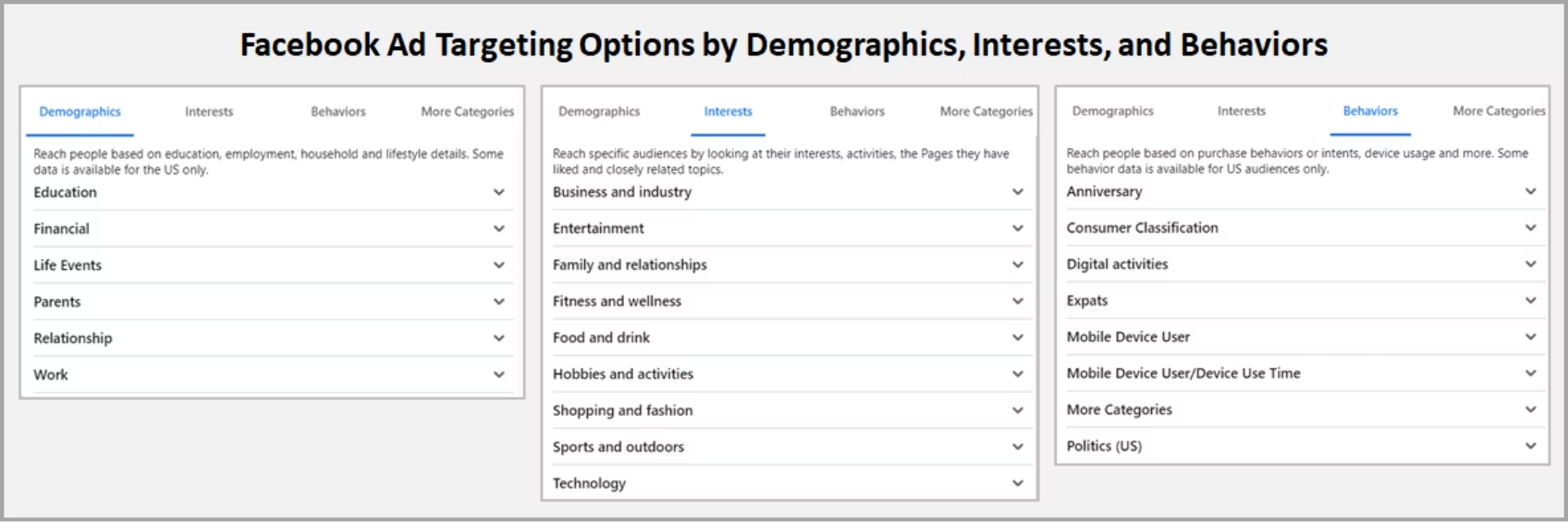
Peering across these three revolutions, a pattern emerges. Each age brings infrastructure that on the surface appears purely technical – steam engines, electrical grids, digital networks – but they in fact go on to reshape human experience at every level. Time transforms from seasonal rhythms to factory schedules to perpetual digital notifications. Work reorganises from craft to wage labour to algorithmic management.
Cloud computing, like electricity before it, enables radical reorganisation, yet we inherit earlier challenges. Monopolistic tendencies now manifest as platform dominance. The tension between standardisation and diversity plays out in algorithmic uniformity. Each revolution doesn't replace the previous one but compounds upon it, carrying forward both possibilities and problems.
Understanding this pattern matters because we're living through its next iteration. The questions the Luddites raised about who benefits from technological change aren't resolved; they're intensifying. Yet technological transformation never occurs in isolation. Each industrial revolution was equally a story about resources; who controlled them, who extracted them, and who benefited from their distribution.
Resource wars
The 15th-century Portuguese navigator Vasco da Gama reached India seeking pepper and cinnamon. These weren't mere flavourings but preservatives, medicines, and symbols of wealth. Control over spice routes meant control over European tables, health, and social hierarchies. The Dutch East India Company (history's first multinational corporation) emerged from this competition, creating new forms of corporate power that still shape our world.
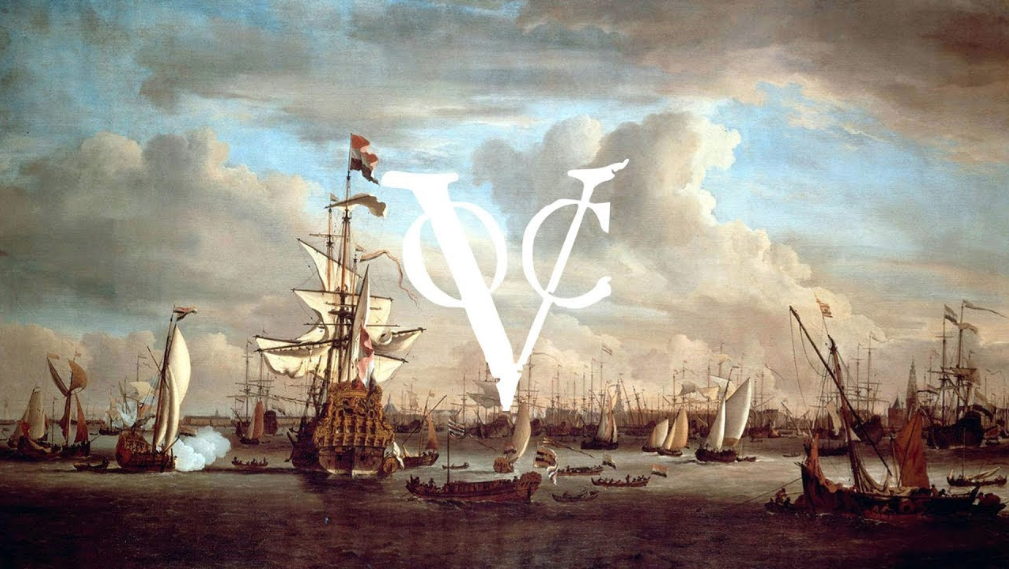
Pepper, once literally worth its weight in gold, transformed from luxury to commodity as supply chains matured. Yet during its peak strategic importance, nations went to war, explorers risked their lives, and entire colonial enterprises developed to secure access. The resource itself didn't change – but its scarcity, combined with the technology to preserve and transport it, made it central to economic and political power.
Five centuries later, nations compete for control over semiconductor supply chains with similar intensity. Like spices, semiconductors seem mundane or abstract to most. However, these invisible components have become the substrate of modern power. Instead of preserving food, they preserve information. Taiwan's chip fabrication facilities have become as strategically vital as the Strait of Malacca once was for spice traders, with global powers carefully calibrating their relationships with the island accordingly.

Yet how we compete has evolved. Empires once seized territory to control spice routes through colonial force. Today's powers negotiate technological partnerships across borders because semiconductor production requires intricate coordination across materials science, manufacturing expertise, and intellectual property. Spices flowed from colonies to imperial centres; semiconductors emerge from networks of interdependent nations.
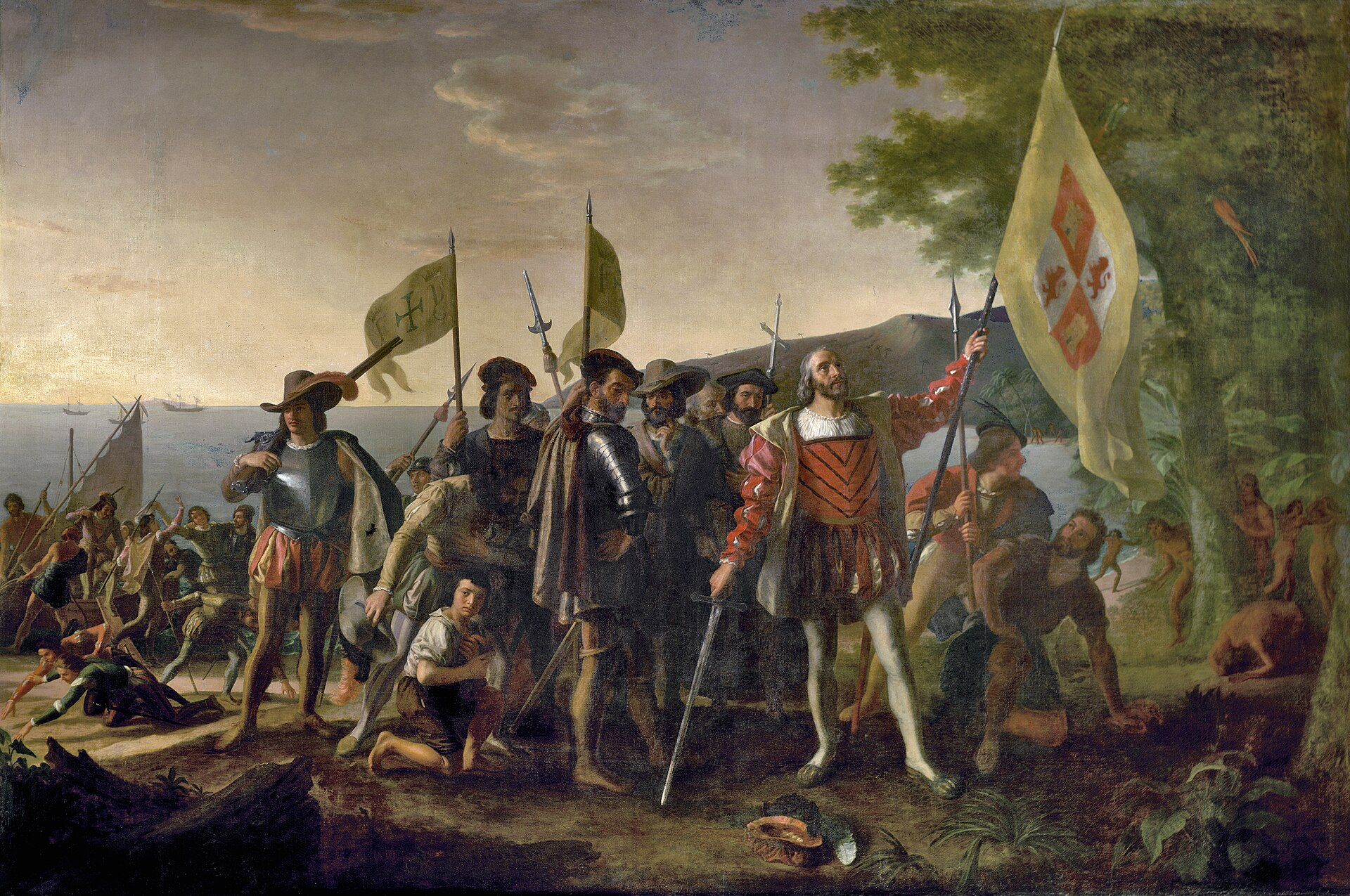
This shift points to something hopeful. While competition for essential resources persists, the nature of control itself has transformed. Direct territorial domination has given way to supply chain diplomacy, opening possibilities for more equitable exchanges between nations. Despite there being vulnerabilities within our global systems, we are undoubtedly living in a more equitable world compared to the colonial era.
Through the industrial revolution we have witnessed that technology allows for humans to exert more power over the natural environment, and over other humans. As nations rushed to maintain or increase their power, resource wars ensued as colonies formed to optimise resource acquisition. However, underlying these dynamics, another dimension exists: the power to define reality itself. Throughout history, controlling what people believe has proven as vital as controlling what they consume, which brings us to the third and final force at play: meaning-making.
Ideological warfare
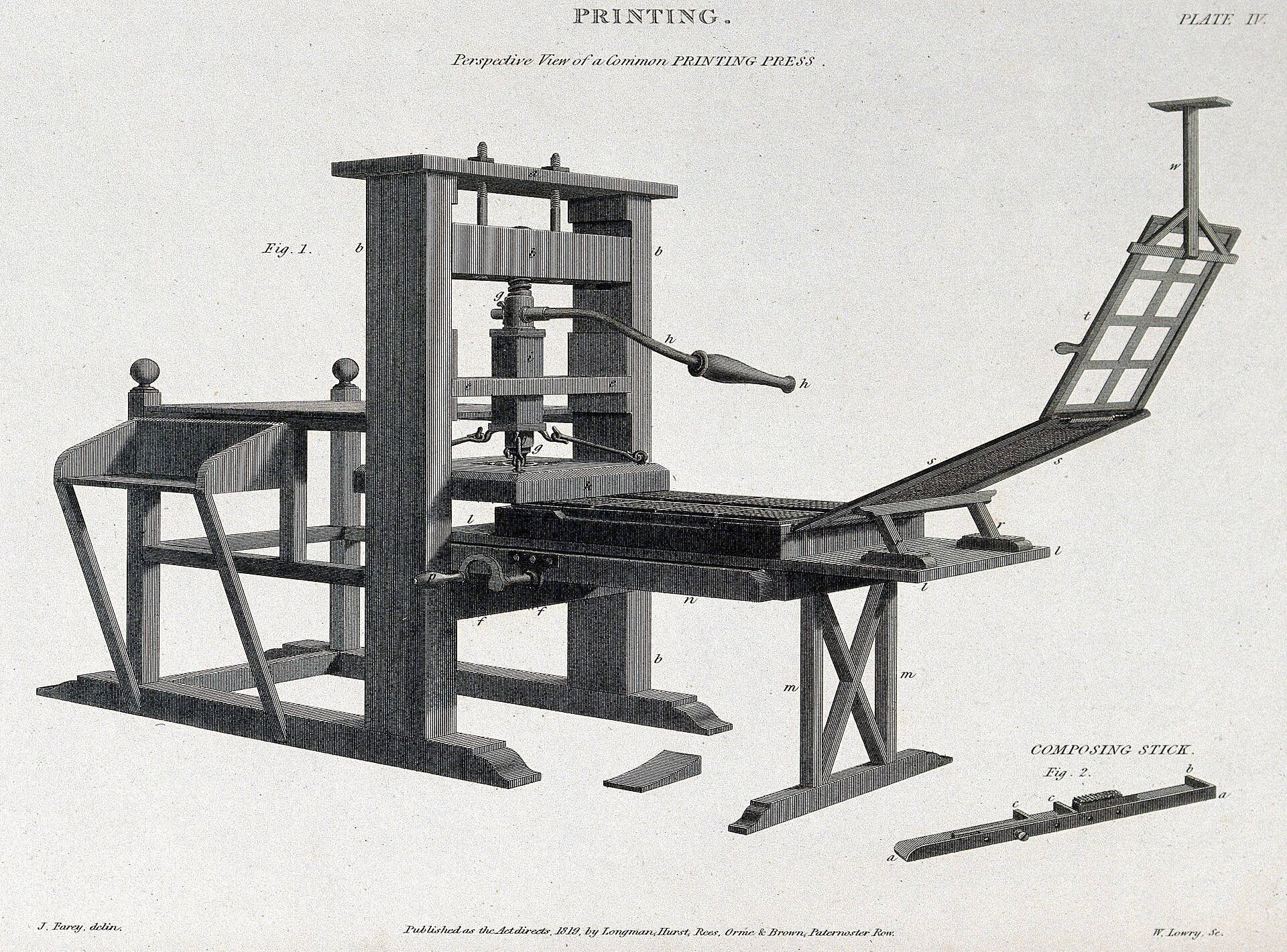
In 1440 Johannes Gutenburg invented the printing press, which revolutionised the flow of information throughout society. During this period in Europe, the Catholic Church controlled not only which texts were sacred but what those texts meant. Rare handwritten manuscripts required priests (serving as intermediaries) to convey their meaning to the lay people. As people gradually began to gain independence of thought, long-held beliefs began to be questioned, resulting in the Church's carefully constructed narrative to slowly unravel.
The ensuing unravelling unfolded over centuries. The Wars of Religion devastated communities as groups fought over incompatible truths. The repercussions were seismic. Political structures built on unified belief systems crumbled, forcing the gradual emergence of secular states that could accommodate religious diversity. Institutions that had provided certainty for a millennium had to be rebuilt from the ground up.
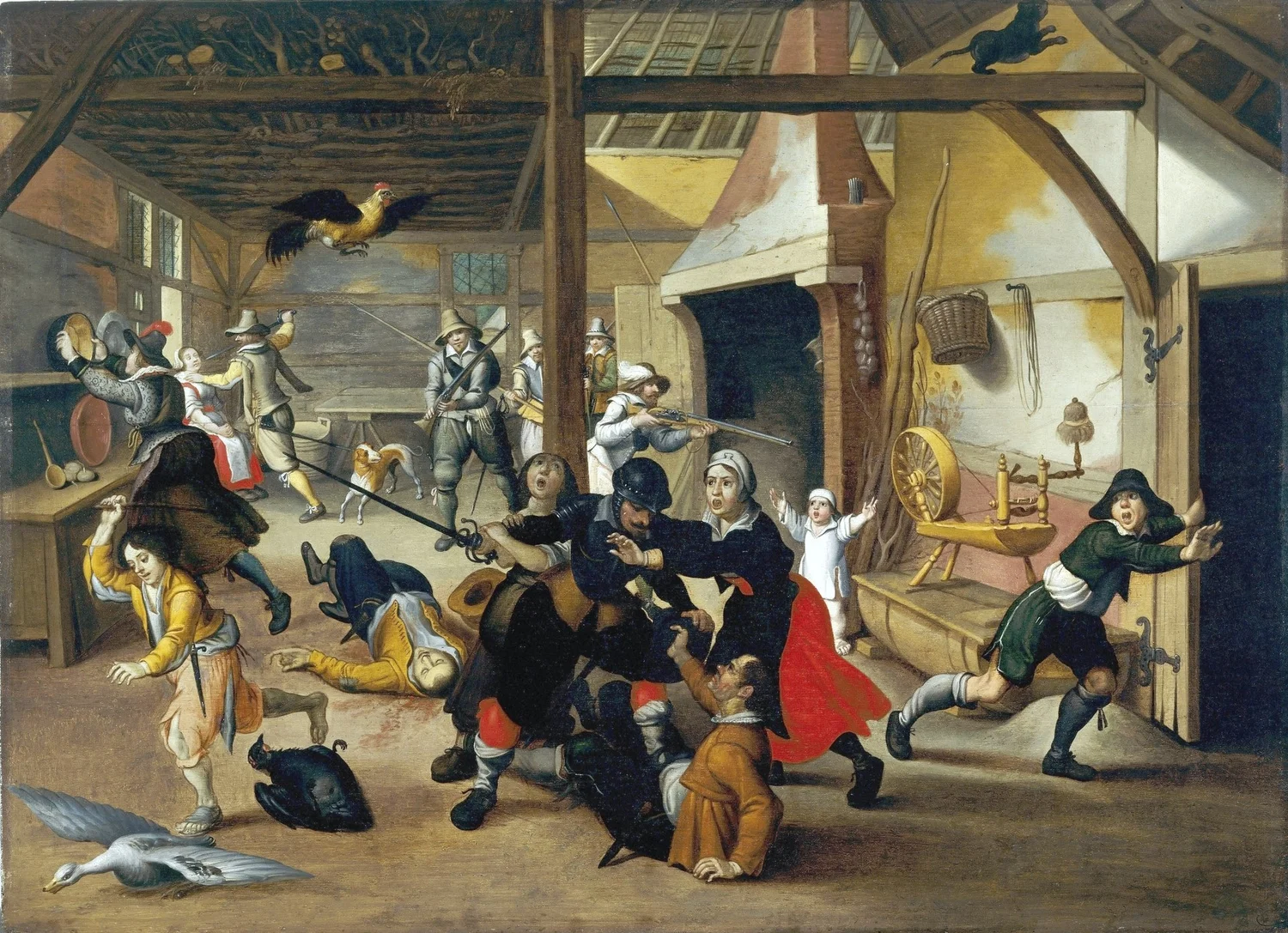
However, creativity flourishes in crisis. Post-print Europe eventually developed innovations: the scientific method for validating claims, journalistic standards for accountability, democratic deliberation for collective decision-making. These methods for establishing collective consensus were essential in bringing stability in the decades that followed, persisting to this day.
We're living through a comparable transformation, though the pace has accelerated dramatically. Digital media democratised information access, in effect dismantling the previously established gatekeeping structures that filtered and validated knowledge. Like post-Gutenberg Europe, we face a crisis of interpretive authority, but compressed into decades rather than centuries. Now we are battling questions like:
How do we build consensus when everyone inhabits algorithmically curated information bubbles?
What institutions can hold legitimacy when trust in traditional authorities has eroded?
How do we distinguish between genuine expertise and confident misinformation?
The pattern repeats: technological disruption fragments consensus, societies struggle through crisis, new institutions emerge. Our digital transformation mirrors post-Gutenberg chaos but accelerates it dramatically. We're not just witnessing this upheaval, we're active participants in crafting whatever comes next, however large or small our individual roles may be.
While post-Gutenberg Europe gives us one framing to explore the meaning crisis, other wisdom traditions have sustained coherent meaning-making across far longer timescales. Perhaps before we invent entirely new institutions, we might look to perspectives that predate industrial modernity. Perspectives that have shepherded cultures through technological change with wisdom and care.
Indigenous perspectives
The examples shared above measure change in decades, occasionally centuries. Solutions typically emerge through crisis and adaptation within relatively compressed timeframes. Yet some societies have maintained coherent frameworks across far longer spans.

The Haudenosaunee Confederacy's principle of seven generations asks decision-makers to consider impacts extending 140 years forward and back. The choices of our ancestors are considered, as well as our impact on our descendants. When the confederacy considers a decision, they contemplate:
What inheritance did we receive from seven generations past?
What world are we creating for seven generations hence?
Such a worldview goes against conventional practices. Quarterly earnings, election cycles, even infrastructure projects, all compress time into the immediate and near-term. The seven generations principle extends responsibility beyond anyone's lifetime, creating accountability to those who cannot speak for themselves: ancestors who shaped the present, descendants who will inherit our choices.
This proves particularly relevant for decisions with irreversible consequences. Climate systems, once destabilised, remain disrupted across centuries. Artificial intelligence architectures, once deployed, shape human capability for generations. Genetic modifications, once released, propagate through ecosystems indefinitely. Silicon Valley's "move fast and break things" assumes broken things can be fixed. Generational thinking asks: what if they can't?
Such indigenous approaches do not reject innovation or change. Rather, it asks leaders to change their relationship to change cycles. Instead of prioritising immediate convenience, or responding reactivity to the cultural tides, it invites leaders to alter their value systems. When the substrate of decision-making shifts from immediate returns to generational inheritance, different possibilities emerge.
The Southern African philosophy of Ubuntu, often translated as "I am because we are", proposes that individual identity emerges through relationship rather than existing independently. This worldview reminds us that there's no fundamental separation between self, community, and the world at large. Harm to one reverberates through all. Harming another is akin to harming one's self. Polluting a river is akin to polluting one's self.
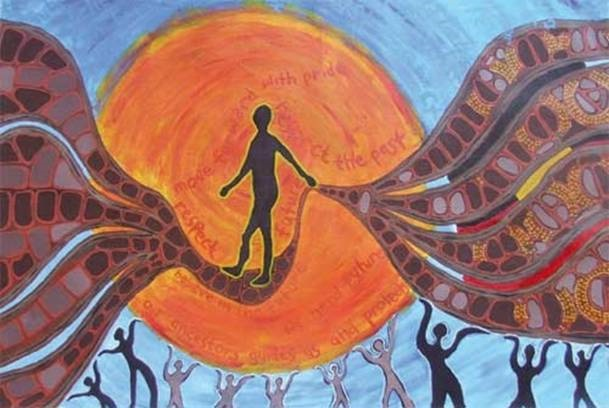
This way of seeing the world dissolves the boundary between individual and collective. For instance, when European settlers began populating North America, their approach was to divide the land into orderly grids by drawing lines on maps. National borders and land ownership were foreign concepts to indigenous people. Such disconnected and fragmented thinking was not our natural state, yet this is how much of the Western world has been conditioned to think.
The philosophy of Ubuntu points to a greater truth which many intellectually entertain but fail to embody. We are connected to the world in ways we cannot see with the five senses. Our choices and our actions send ripples through the collective field. The millions of tons of single-use plastics produced each year, inevitably ends up in our oceans, our seafood, and finally our brains. Industrial chemicals we apply to our frying pans and waterproof clothing gradually leech into the environment, the water systems, our drinking water, and finally... our bodies.
Ubuntu reminds us that we are not disconnected from the choices we make individually or collectively. How we treat ourselves, other sentient beings, and the planet as a whole will eventually find their way back to us through the law of cause and effect. We are all connected and our choices matter.
Putting new patterns into motion
As we trace these spirals through time, deeper patterns emerge. The industrial transformations that reorganised human relationships with work and time have not concluded but accelerated into the AI age. The resource competitions that once sparked colonial empires now manifest as technological sovereignty struggles. The meaning crises that fragmented religious authority now splinter consensus across our algorithmically informed populous.
Recognising these patterns helps to free us from these cycles. When we see that current structures are products of human choice rather than inevitable outcomes, we begin to recover agency. The shift from colonial extraction to interdependent supply chains demonstrates that while competition for resources persists as a pattern, the nature of that competition can evolve. The growing relevance of wisdom traditions in contemporary discourse suggests that people are seeking to reconnect with alternative, more fundamental, perspectives on life.
The questions the Luddites raised about technological change intensify as algorithms reshape work. The fragmentation of authority that followed Gutenberg accelerates as digital platforms mediate reality for billions. The resource dependencies that once flowed through empires now weave through complex global networks. Each pattern recurs at higher complexity, demanding not just individual adaptation but collective reimagining of our societal structures. Which brings us to our next question:
How do our institutions adapt to changing times?
The patterns we have explored do not play out solely through individual choices but through the organisations, systems, and governance structures that shape our ways of life. These institutions represent crystallised patterns of behaviour inherited from previous eras, and they now strain under pressures their architects could not have imagined.
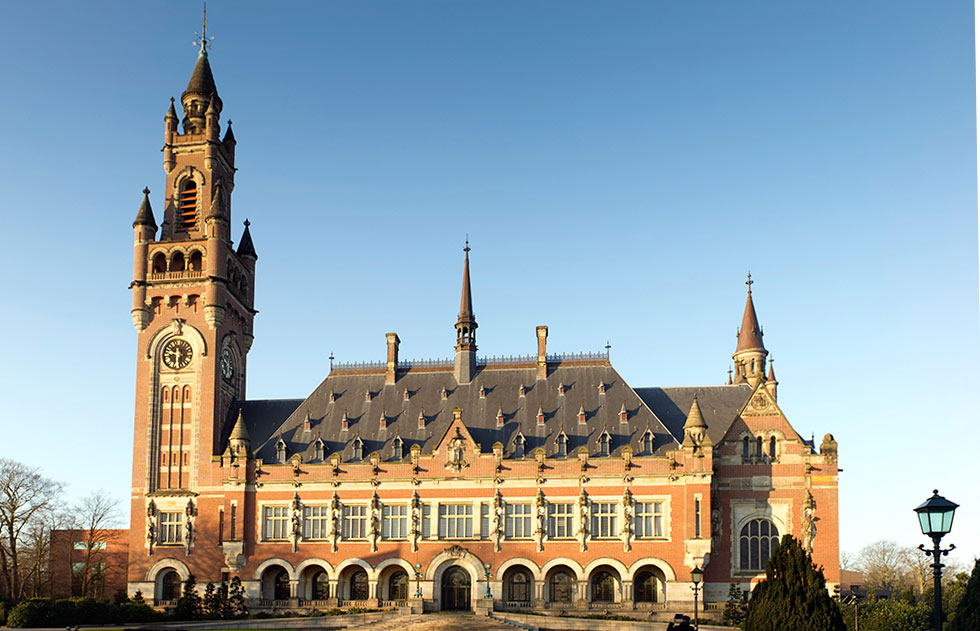
In the next essay, we will examine how power structures themselves evolve, strain, and transform under these pressures. We will explore how institutions designed for bygone eras grapple with networked reality, and where entirely new forms of collective organisation emerge at their edges. Understanding historical patterns provides essential context, but the deeper work lies in participating consciously in institutional evolution, in shaping not just individual choices but the very structures through which our choices become collective reality.
This was the second essay in a five-part series on the topic of systemic sensemaking. The next essay, "Shifting power structures," looks at how our governing institutions are adapting and evolving to the times. If you enjoyed reading this essay, consider signing up below.