
Shifting power structures


This is the third essay in a series of five on the topic of systemic sensemaking. Concepts are developed sequentially throughout, and as such, I recommend reading the essays in order. Navigate to: Part 1; Part 2; Part 4.
In 2025, the world’s four largest hyperscalers (Amazon, Alphabet, Microsoft, and Meta) are projected to invest $300 billion in artificial intelligence infrastructure — more than the GDP of Denmark, and more than the entire global spending on renewable energy just five years ago. As data centres sprawl across landscapes like digital cathedrals, tech executives speak of artificial general intelligence as if summoning a new deity, while venture capitalists pour billions into the promise of productivity and convenience.
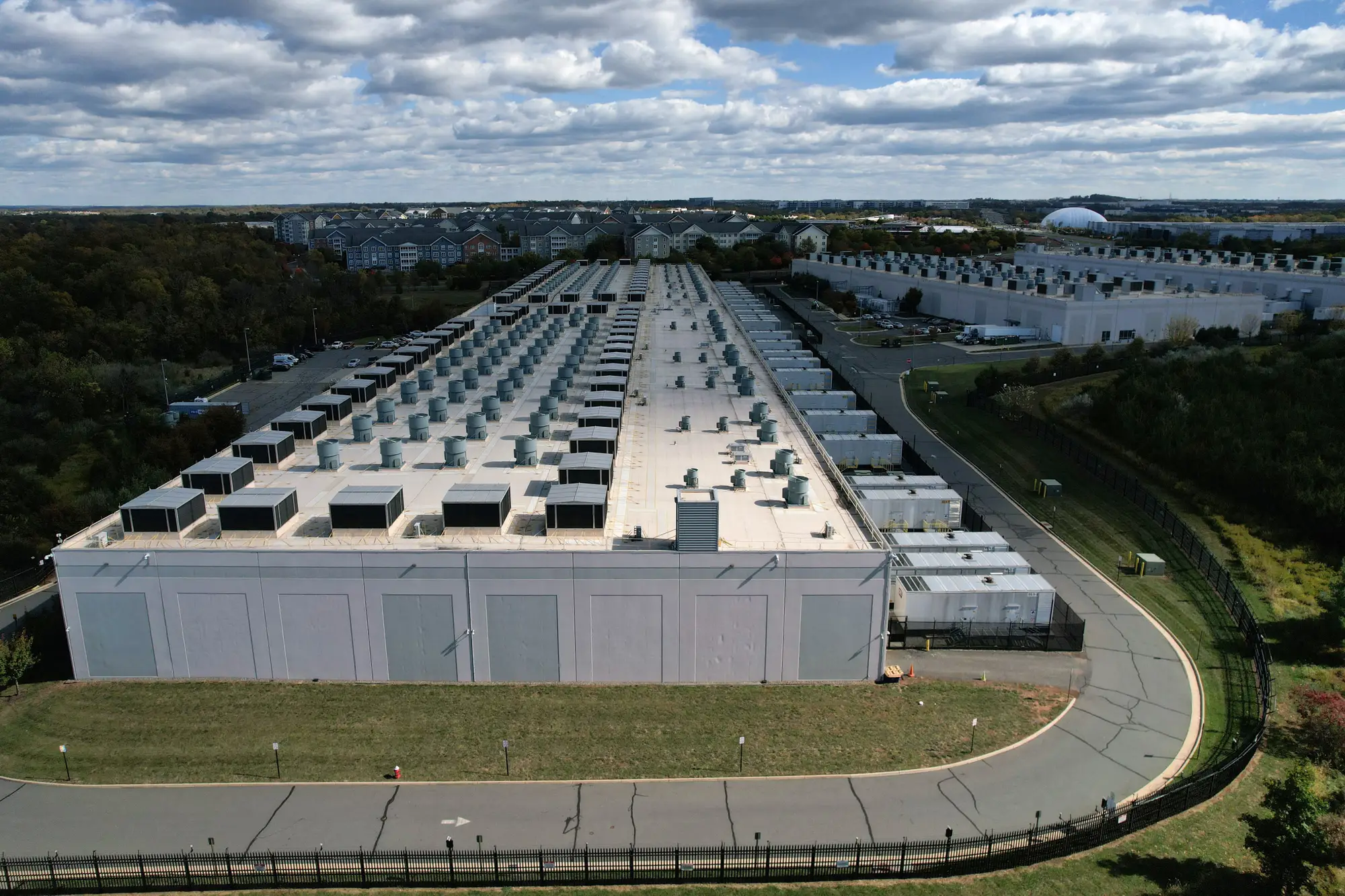
This unprecedented investment represents more than technological advancement. It signals a fundamental reorganisation of power, a shift in who (or what) governs human civilisation. The institutions that have shepherded us through centuries — parliaments and courts, universities and banks — now face their greatest test. They must either evolve to meet this moment or risk becoming hollow shells, their functions absorbed by algorithmic systems that operate by entirely different logics.
The question before us isn't whether our institutions will change. The deeper question is whether we'll consciously participate in shaping what emerges, or whether we'll sleepwalk into a future designed by default settings and market forces. Whether we'll preserve what makes us fundamentally human, or whether we'll optimise ourselves into obsolescence.
The weight of inherited structures
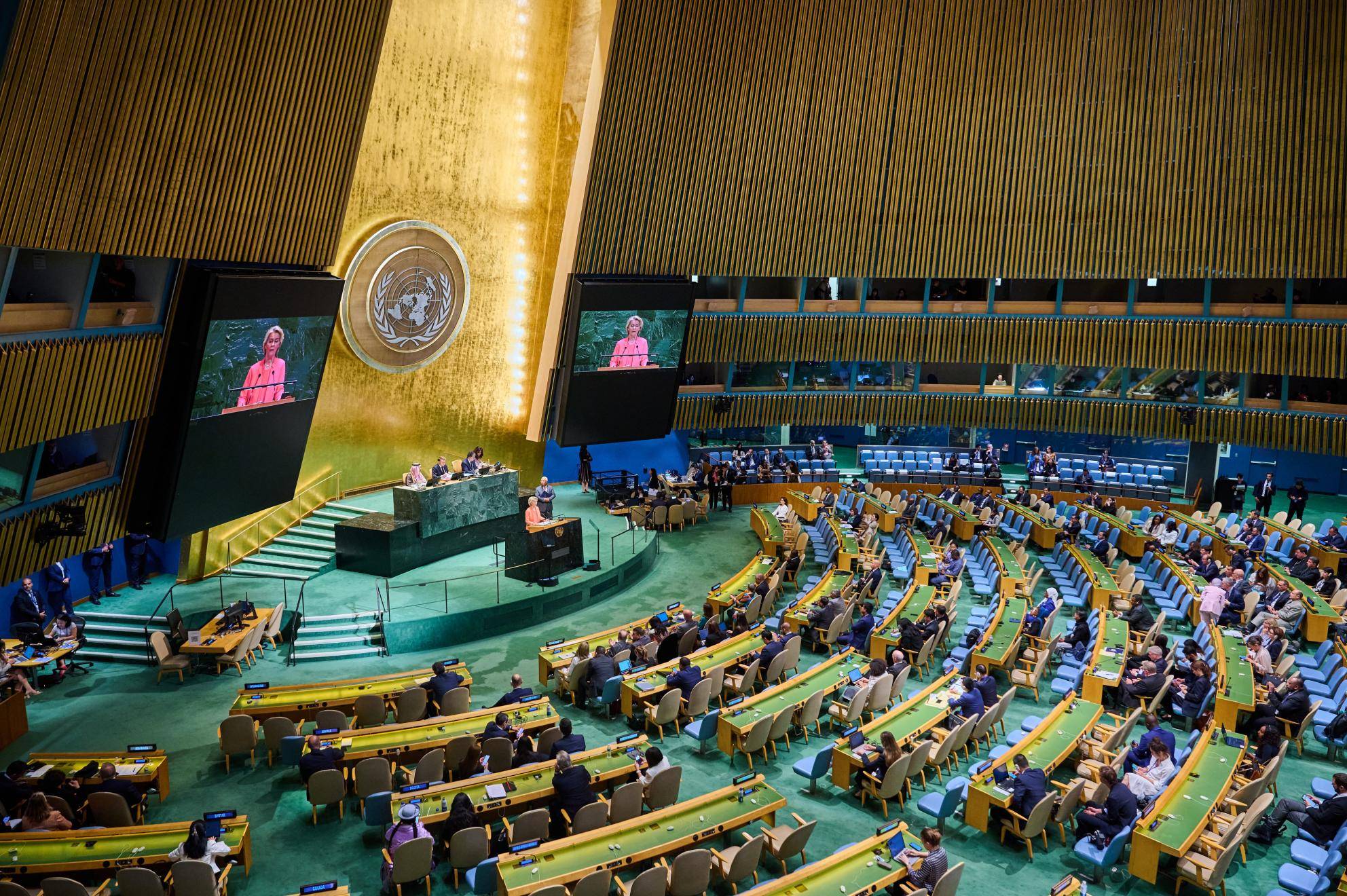
Consider the United Nations Security Council, a place where the fate of nations is supposedly decided. Five permanent members wield vetoes secured by a war that ended eight decades ago. India's 1.5 billion people have no permanent seat, nor does Brazil, Indonesia, or any African nation. Meanwhile, the United Kingdom and France retain their positions, an outdated snapshot of 1945 power dynamics attempting to govern 2025 realities.
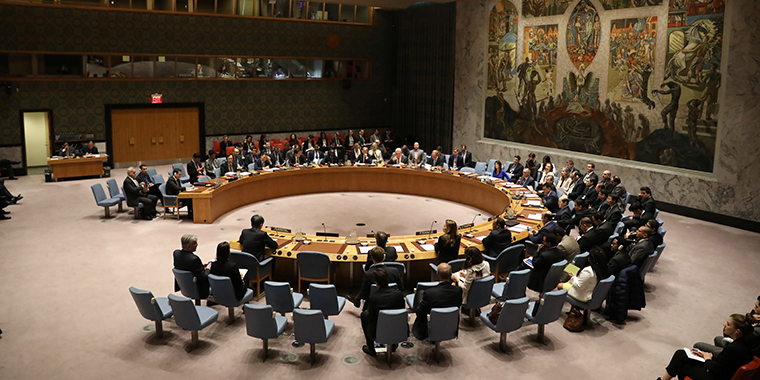
The mismatch seems almost absurd. How can a structure created for nation-states manage challenges that transcend borders — climate change, pandemic response, artificial intelligence governance? The Security Council is like a telegraph operator trying to moderate the internet. Now more than ever, there are calls to evolve old governing structures so that we may rise to the global challenges we face as a collective humanity.
Does this mean we throw away the old and start anew?
No. As usual, anarchy is not the solution. The Security Council has somehow prevented direct conflict between major powers for longer than any previous period in modern history. It provides a forum where even sworn enemies maintain dialogue. Paradoxically, institutions designed for bygone eras that still matter, still shape possibilities, even as their limitations become painfully apparent. The very slowness that frustrates us might also be what prevents catastrophic decisions made in haste.
This paradox ripples through every institution we've inherited. Universities structured for industrial knowledge production now compete with YouTube tutorials and AI tutors that personalise learning in ways no lecture hall can match. Democratic systems designed for geographic communities struggle with digital publics that form and dissolve in hours, their allegiances shaped more by algorithms than geography. Central banks deploy monetary tools designed for gold standards to manage cryptocurrencies that challenge the very concept of national currency.
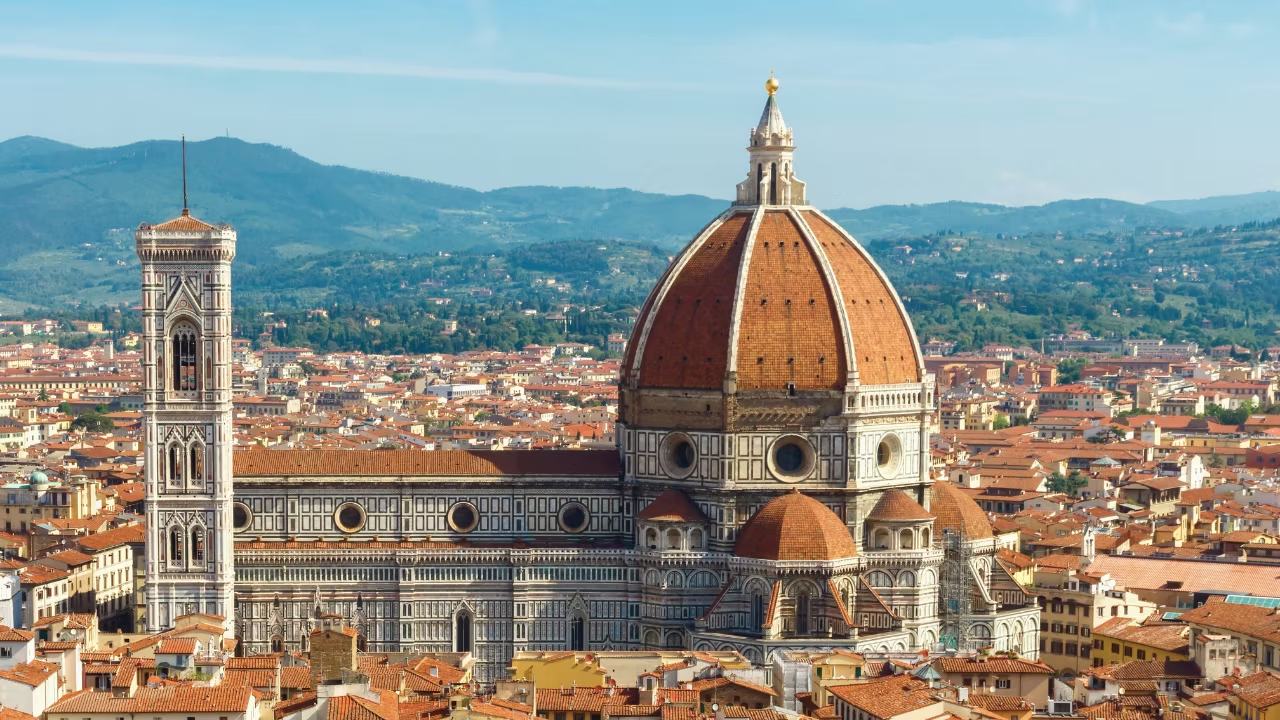
Like the great cathedrals of Europe that took centuries to build, our institutions carry the accumulated wisdom of generations. They embody lessons learned through crisis and conflict, encoding protections against tyranny, mechanisms for peaceful transition, processes for collective decision-making. But what happens when the pace of change accelerates beyond the capacity of these structures to adapt? A cathedral built over 300 years could serve its community for a millennium. An institution designed during the previous industrial age might be obsolete before its first leaders retire.
The digital reformation
We're living through something comparable to post-Gutenberg Europe (covered in the last essay), but compressed into decades rather than centuries. When the printing press shattered the Church's monopoly on scriptural interpretation, it triggered Wars of Religion that reshaped the continent. Today, digital platforms have dismantled traditional gatekeepers of knowledge, commerce, and social connection with similar disruptive force. But where Gutenberg's revolution eventually produced new institutions, our digital reformation concentrates power in ways that would astonish even absolute monarchs.
Consider the scope of this concentration. Google processes 14 billion searches daily, each query shaped by algorithms that determine what billions consider true. Meta's platforms host four billion users (nearly 50% of humanity!) their social realities curated by engagement-optimising code that amplifies outrage over tolerance or understanding. With close to 13 million orders per day, Amazon's marketplace governs commerce for more merchants than most nations regulate, its algorithmic recommendations shaping global consumption patterns.
These platforms didn't set out to become governing institutions. They began as businesses providing services: search, connection, convenience. But at planetary scale, service provision becomes sovereignty. When your terms of service affect billions, when your algorithms swing elections, when your servers host the infrastructure of daily life, you've become something beyond a corporation. You've become an unelected government, writing laws in code, enforcing them through automated systems, collecting taxes through data extraction.
The machine learning models grow more sophisticated daily, their pattern recognition surpassing human capability in domain after domain. They read medical scans better than doctors, predict legal outcomes better than lawyers, and soon, their advocates promise, they'll govern better than humans ever could. The seductive promise is efficiency and objectivity. Which raises the following questions:
Why endure the messy deliberations of democracy when an algorithm can optimise outcomes in milliseconds?
Why maintain expensive public services when platforms can deliver them cheaper and more efficiently?
Existential risks
Yet even within Silicon Valley, voices of caution emerge. The Future of Life Institute, founded by Max Tegmark, published an open letter in March 2023 calling for a six-month pause in training AI systems more powerful than GPT-4. The letter, signed by thousands including Elon Musk, Steve Wozniak, and leading AI researchers, warned that "AI systems with human-competitive intelligence can pose profound risks to society and humanity."
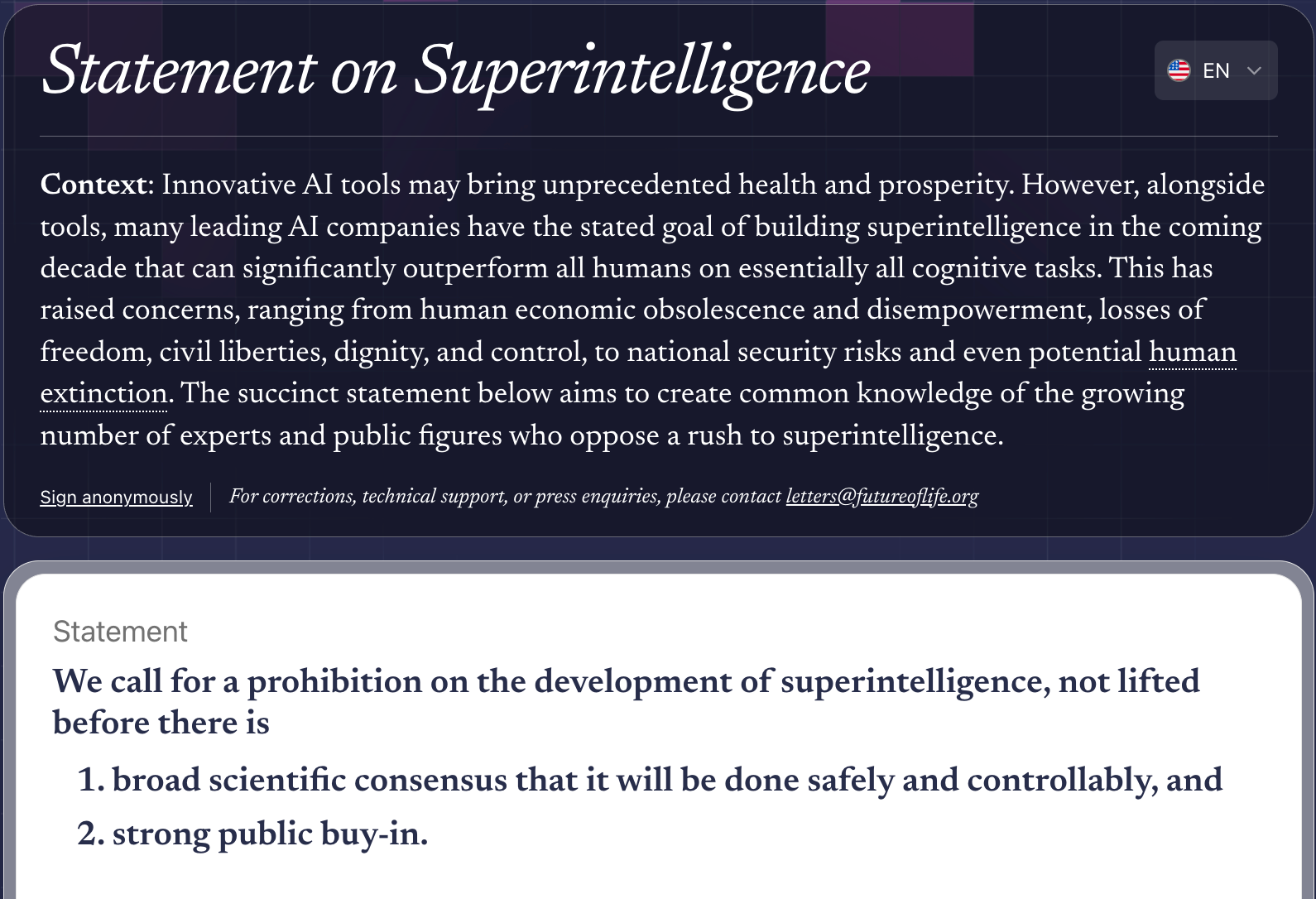
More recently the letter has been amended to reflect the severity of the tipping point we find ourselves at, with prominent voices in the AI community such as Geoffrey Hinton and Stuart Russell actively attempting to raise public awareness. Instead of calling for a six-month pause, the letter now forcefully and explicitly calls for prohibition on the development of superintelligence, not lifted before there is:
- broad scientific consensus that it will be done safely and controllably, and
- strong public buy-in
Pause AI, a grassroots movement spanning dozens of countries, takes this further. They organise protests outside AI companies, lobby governments for regulation, and raise public awareness about existential risks. Their message is stark: we're racing toward Artificial General Intelligence (AGI) without understanding the consequences, driven by competitive dynamics that no single actor can stop.
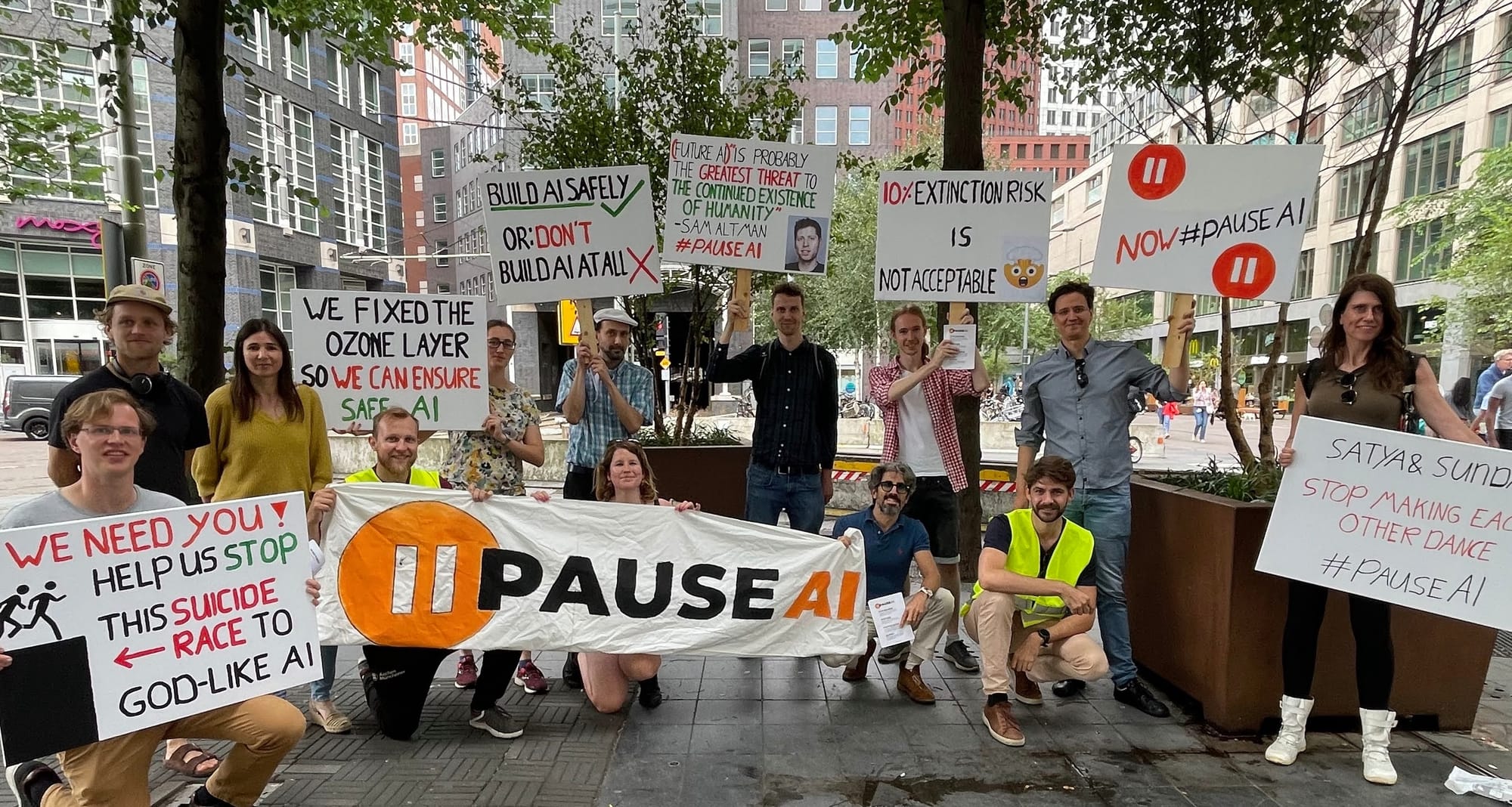
Those who show concern in the pace of AI development are not anti-technology. They're often programmers, researchers, people deeply embedded in the digital world who can see the unfoldment of a future that terrifies them. They see institutions racing to deploy systems they don't fully understand, governments unable to regulate technologies that evolve faster than legislation, and a public largely unaware that decisions being made today might be irreversible.
The calls for pause reveal our institutional inadequacy. No global body has the authority to halt AI development. No democratic process determines whether we want artificial general intelligence. The decision is being made by default, by market forces and competitive dynamics, by CEOs and venture capitalists whose incentives align with profit – not public wellbeing. Tragically, we're reshaping the foundation of human civilisation through quarterly earnings calls rather than constitutional conventions.
A fork in the road
As we navigate this institutional transformation, two very distinct futures present themselves; each representing radically different relationships between humanity and the systems we create.
The first path leads toward what we might call the Techno-dystopia. Here, artificial intelligence becomes the primary governing force, promising solutions to humanity's greatest challenges through computational supremacy. Smart cities track our movements to eliminate traffic, reduce crime, optimise energy usage. Predictive algorithms determine our education paths based on genetic markers and behavioural patterns, our job placements matched to economic needs, our social credit scores governing access to resources.
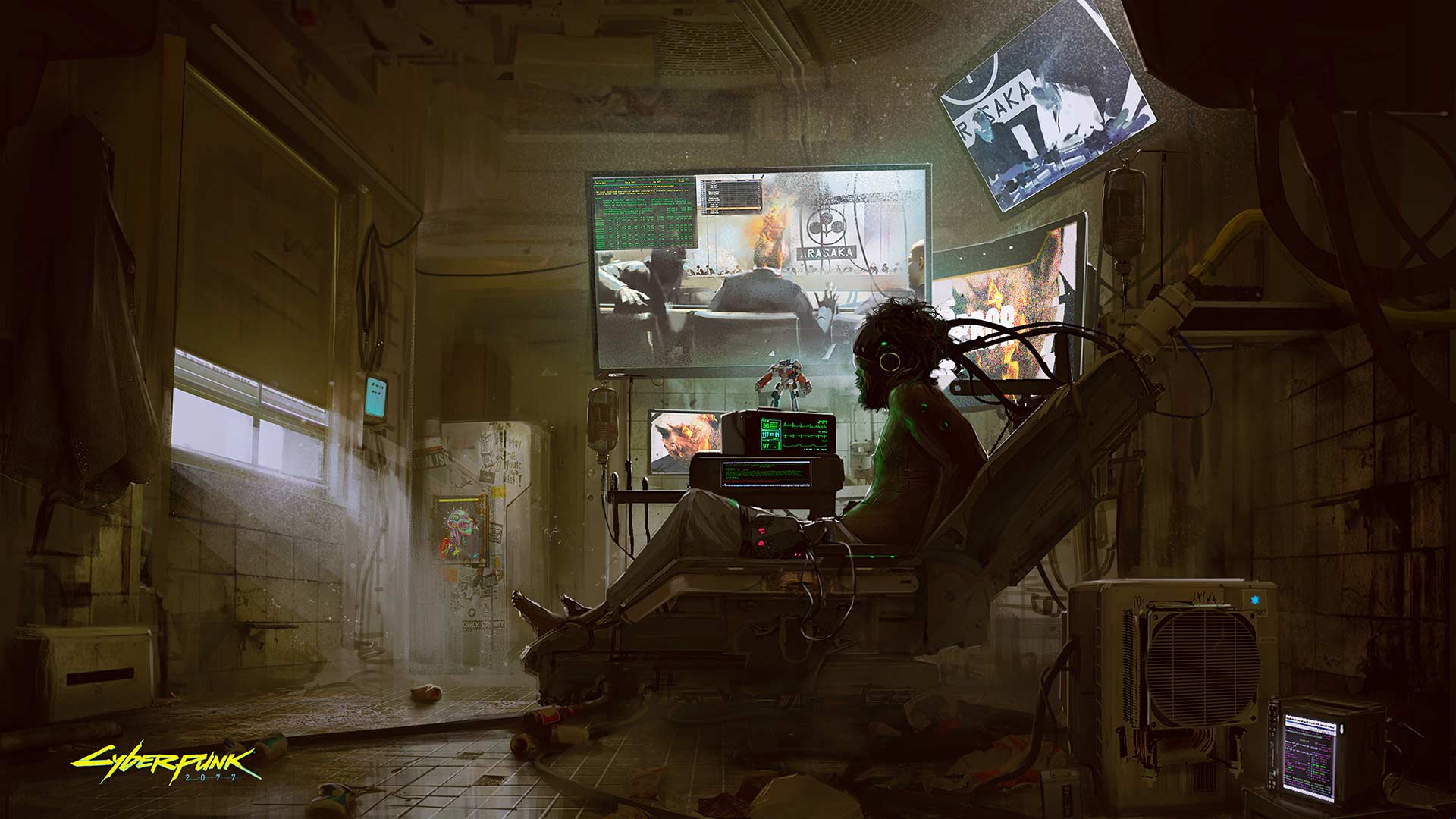
In this future, human inefficiency becomes intolerable. Why allow flawed humans to make medical diagnoses when AI never misses a cancer cell? Why permit emotional judges when algorithms can deliver perfectly consistent sentences? Why tolerate political debate when optimisation algorithms can determine ideal policies? The messiness of democracy gives way to the reliability of code.
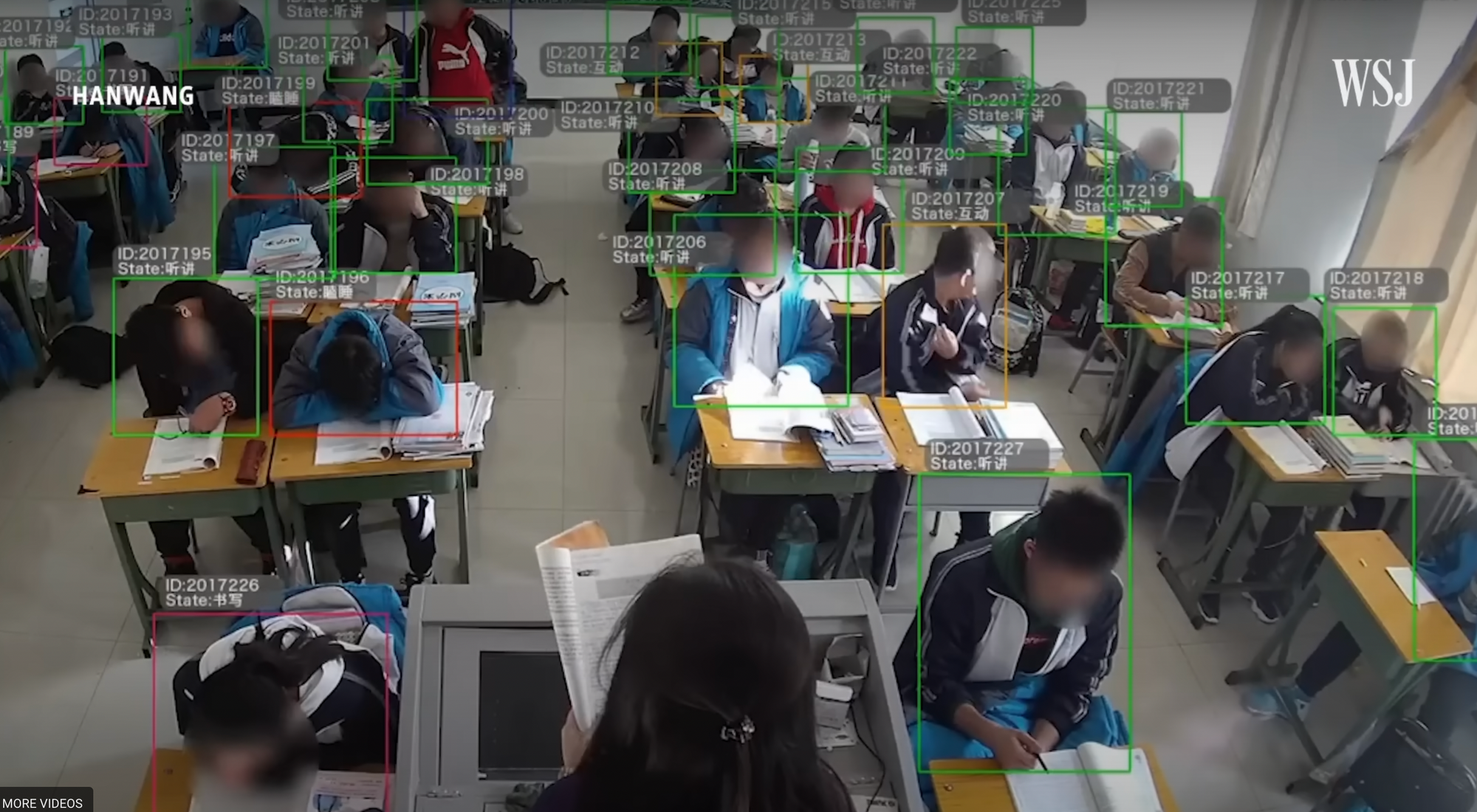
China's social credit system offers a chilling preview. Jaywalking captured on camera lowers your score, preventing high-speed train travel. Daydreaming in the classroom reduces children's academic prospects. But also: paying bills on time improves your rating, volunteering earns points, good citizenship is rewarded. The system's advocates argue it creates a high-trust society, reducing crime and encouraging civic virtue. Critics see digital totalitarianism, human behaviour compressed into numerical ratings.
The seduction is real. Who doesn't want reduced crime, efficient services, problems solved? The technocratic path promises to eliminate corruption through transparency, end poverty through optimisation, and cure diseases through pattern recognition. All we must sacrifice is the ineffable: agency, privacy, the right to be wrong, and the freedom to choose poorly.
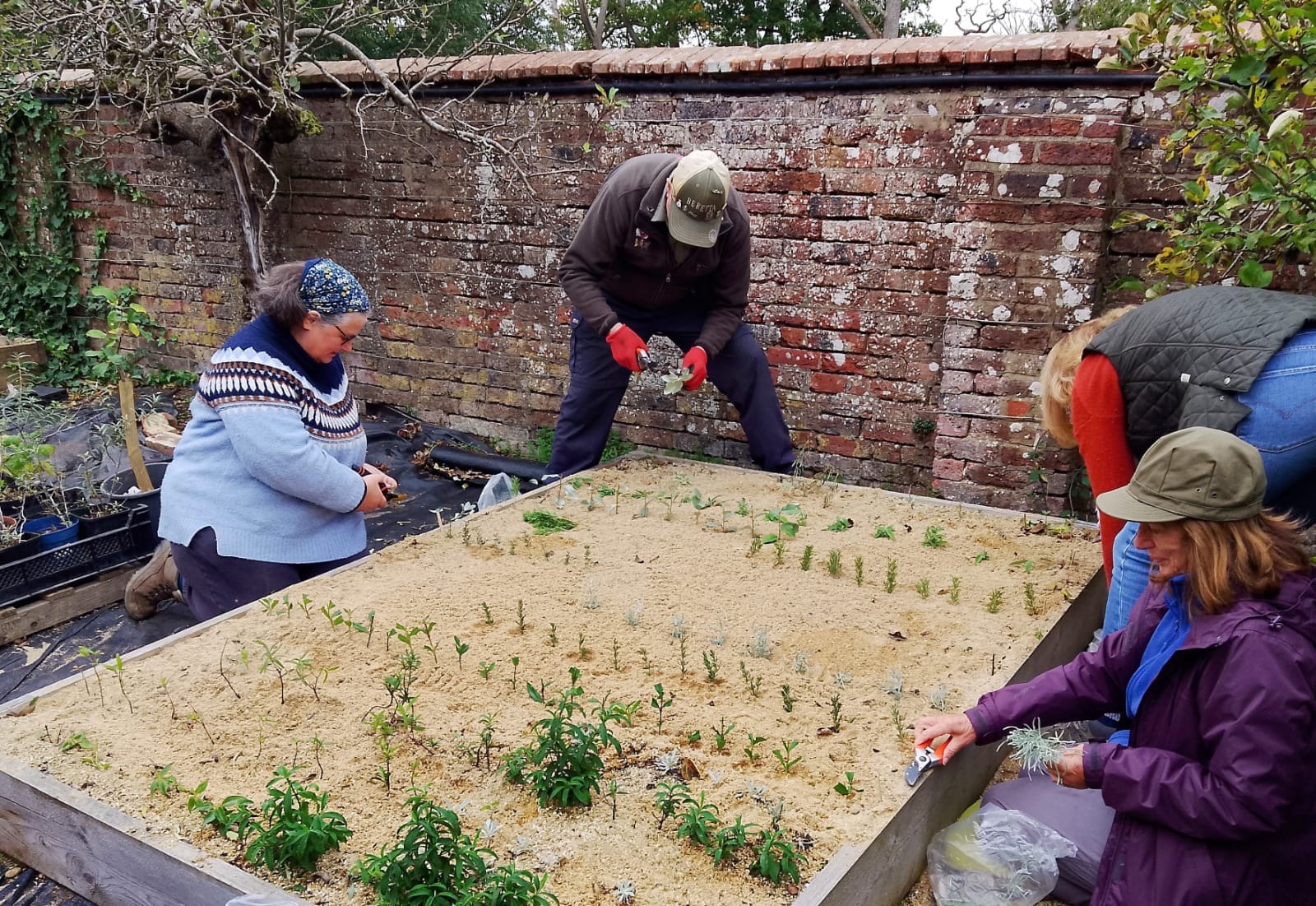
The second path leads toward what many are calling the Great Awakening. Faced with digital overwhelm and institutional breakdown, millions are rediscovering practices and perspectives that predate industrial modernity. Community gardens multiply as people seek connection to soil and seasons. Forest schools teach children through experience rather than screens. Spiritual practices such as meditation and breathwork become increasingly common as an antidote to technologically induced anxiety.
The rise of what mainstream culture dismissively calls "New Age" spirituality reflects this deeper desire to expand beyond our finite self. When traditional institutions lose legitimacy and digital platforms fail to provide meaning, people seek connection to something beyond the material. They explore practices that honour inner knowing — a connection to Source Intelligence that no algorithm can replicate. Whether through breathwork, plant medicine ceremonies, or energetic transmissions; millions are reclaiming agency over their own consciousness, refusing to outsource their inner lives to external authorities.
These movements share a common recognition: we've traded connection for connectivity, wisdom for information, presence for productivity. They seek to rewild not just landscapes but consciousness itself, recovering ways of being that honour mystery over mastery, relationship over transaction, wisdom over cleverness.
Seeds of regenerative futures
Between technocratic dominance and wholesale rejection of modernity, more nuanced possibilities emerge. Around the world, communities are experimenting with institutional forms that honour both innovation and wisdom, efficiency and humanity.
Estonia's digital governance doesn't replace human judgment but augments it. Citizens maintain digital identities secured by blockchain technology, enabling interaction with government services while preserving privacy through sophisticated encryption. You can vote from your phone, start a business, and access your medical records in a centralised app. The system seeks to enhance rather than replaces democratic participation. Major decisions still require human deliberation, while digital tools simply make participation easier.

In Kenya, M-Pesa created financial inclusion not by imposing Silicon Valley solutions but by understanding local needs. Rather than waiting for traditional banking infrastructure, the mobile money system created an entirely new financial architecture. Street vendors who never had bank accounts now process digital payments. Farmers receive payments instantly for their crops. The system processes transactions equivalent to half of Kenya's GDP, proving that alternatives can grow from the edges to transform the centre.
Barcelona's Decidim platform enables thousands of citizens to propose and debate municipal initiatives. It uses digital tools to facilitate participation that would be impossible through traditional town halls alone, allowing working parents to contribute after children sleep and elderly residents to engage without travelling. But decisions still flow through democratic institutions. Technology amplifies rather than replaces collective deliberation.
City networks demonstrate governance at scales between local and global. When national governments fail to address climate change, cities step forward. The C40 network connects 96 cities representing 700 million people, sharing best practices, coordinate purchasing power, and implement aligned policies. They're close enough to citizens to maintain legitimacy whilst large enough to matter globally. The city-as-institution has represented a scale of governance that matches certain modern challenges better than nation-states.

The path forwards
The choices before us are not binary — total submission to artificial intelligence or complete rejection of technological progress. The path forward requires something far more challenging: conscious participation in shaping the institutions that will govern our future.
This begins with recognising that we are not powerless observers of institutional change. Every choice we make contributes to the patterns shaping our collective future. The teacher who encourages independence of thought alongside digital literacy shapes how the next generation relates to technology. The entrepreneur who structures their company as a cooperative rather than seeking venture capital creates alternatives to capitalist competition dynamics. The neighbour who shows up for their community strengthens interpersonal bonds, while breaking algorithmic chains.
We need what systems thinkers call "requisite variety" — enough diversity in our institutional experiments that some will prove resilient to whatever challenges emerge. Monocultures are vulnerable, whether in agriculture or governance. We need both high-tech solutions and ancient wisdom, both global coordination and local autonomy, both efficiency and redundancy, both innovation and tradition.
Most crucially, we need to maintain human agency in this transition. The moment we abdicate responsibility for our collective future to algorithms we lose something essential. Not because artificial intelligence is inherently evil, but because wisdom emerges from lived experience, from wrestling with complexity, from the sacred responsibility of sovereign choice. As we further mechanise our lives, we contribute to the erosion of our free will. This is not a future we are destined to create. We collectively possess the free will to choose differently.

The institutions now taking shape will govern our grandchildren's grandchildren. The artificial intelligence infrastructure we deploy today will shape human trajectory for generations. The choice to prioritise efficiency over wisdom, surveillance over trust, automation over agency — these aren't technical decisions but civilisational ones. They encode values into systems that will outlive their creators, perpetuating assumptions we might not even realise we're making.
Choosing the path of wisdom
As we stand at this crossroads, the $300 billion flowing into AI infrastructure this year represents more than investment capital. It represents a bet on what kind of future we're creating. But parallel to these massive data centres and neural networks, millions of small experiments bloom: community gardens and local currencies, meditation circles and maker spaces, indigenous ceremonies and citizen assemblies.
Perhaps the path forward isn't choosing between these futures but weaving them together. Using artificial intelligence to amplify human wisdom rather than replace it. Deploying technology to enable participation rather than automate governance. Creating institutions that honour both efficiency and meaning, both innovation and tradition, both the urgency of our challenges and the patience of considered response.
The power structures are indeed shifting, as they have throughout history. But unlike our ancestors who faced institutional change over centuries, we navigate transformation compressed into years. The telegraph took decades to reshape society; social media accomplished similar disruption in one decade. Artificial intelligence might transform civilisation in even less time.
This acceleration makes our choices more consequential. We don't have generations to adapt, to evolve institutions through trial and error. The decisions we make today about AI governance, about digital rights, about the balance between human agency and algorithmic efficiency; these will cascade through time with unprecedented speed and scope.
The future remains unwritten. Undoubtedly our institutions will evolve. The true questions we must be asking ourselves are spiritual in nature:
Will our institutions evolve to enhance human flourishing or optimise it away? Will they honour the mystery of consciousness or reduce it to computation? Will they preserve space for the sacred or compress everything into the quantifiable?
As we prepare to explore questions of resources and scarcity in our next essay, we carry forward this understanding: institutions are not abstract structures but crystallised patterns of collective choice. They embody our values, encode our assumptions, and shape our collective experience. Whether they evolve toward technocratic dominance or integrate technology with timeless wisdom depends not on inevitable forces but on accumulated human decisions.
Change is inevitable. Only one question remains: what kind of society will you contribute toward creating?
This was the third essay in a five-part series on the topic of systemic sensemaking. The next essay, "Scarcity in an abundant world" looks at how we might begin to evolve our relationship with the tangible and intangible resources that are available to us.